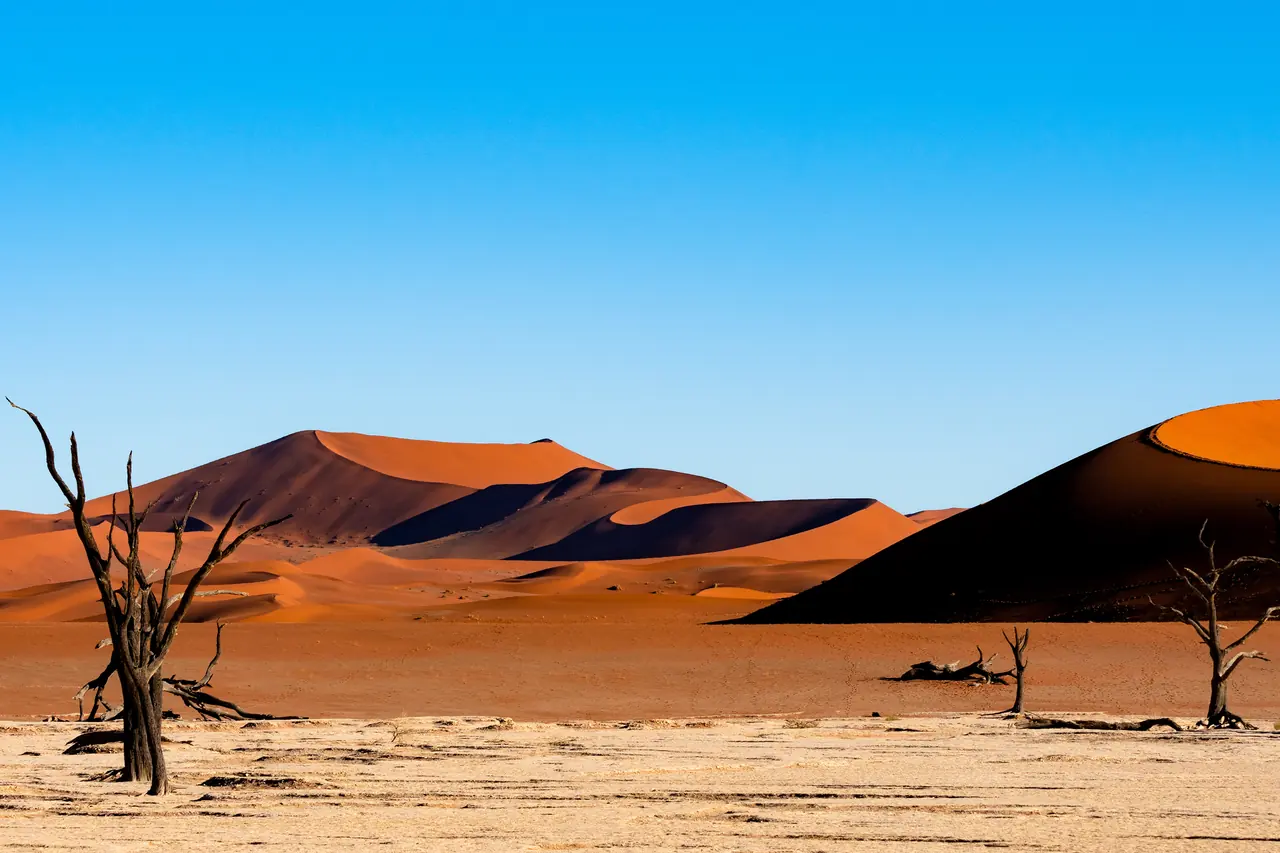
Dead camelthorn trees on the pale clay pan of Deadvlei in front of red sand dunes under a clear blue sky

A place is never an empty site.

It holds livelihoods, memories, rights and future possibilities. Those relationships belong in the conversation from the first visit.

Understand the relationship before the agreement.

Landowners need clarity about land use, access, duration, payments and the end of the project. Communities need a way to understand the proposal, raise concerns and participate in decisions that affect them.

Project-specific land and engagement arrangements should make responsibilities clear throughout development, construction and operations.
Questions that deserve clear answers.

  1. How will the land be used?

    Discuss the proposed layout, access, environmental assessment and how existing uses are considered.

  2. What opportunities could remain locally?

    Explore realistic employment, procurement, training and maintenance opportunities without promising jobs before the scope is established.

  3. How will nature and water be considered?

    Review the baseline, proposed measures, monitoring and the project’s long-term management plan.

  4. How can I raise a concern?

    Contact the team and identify the project and location. The website enquiry route starts that conversation; it does not promise an anonymous reporting service.

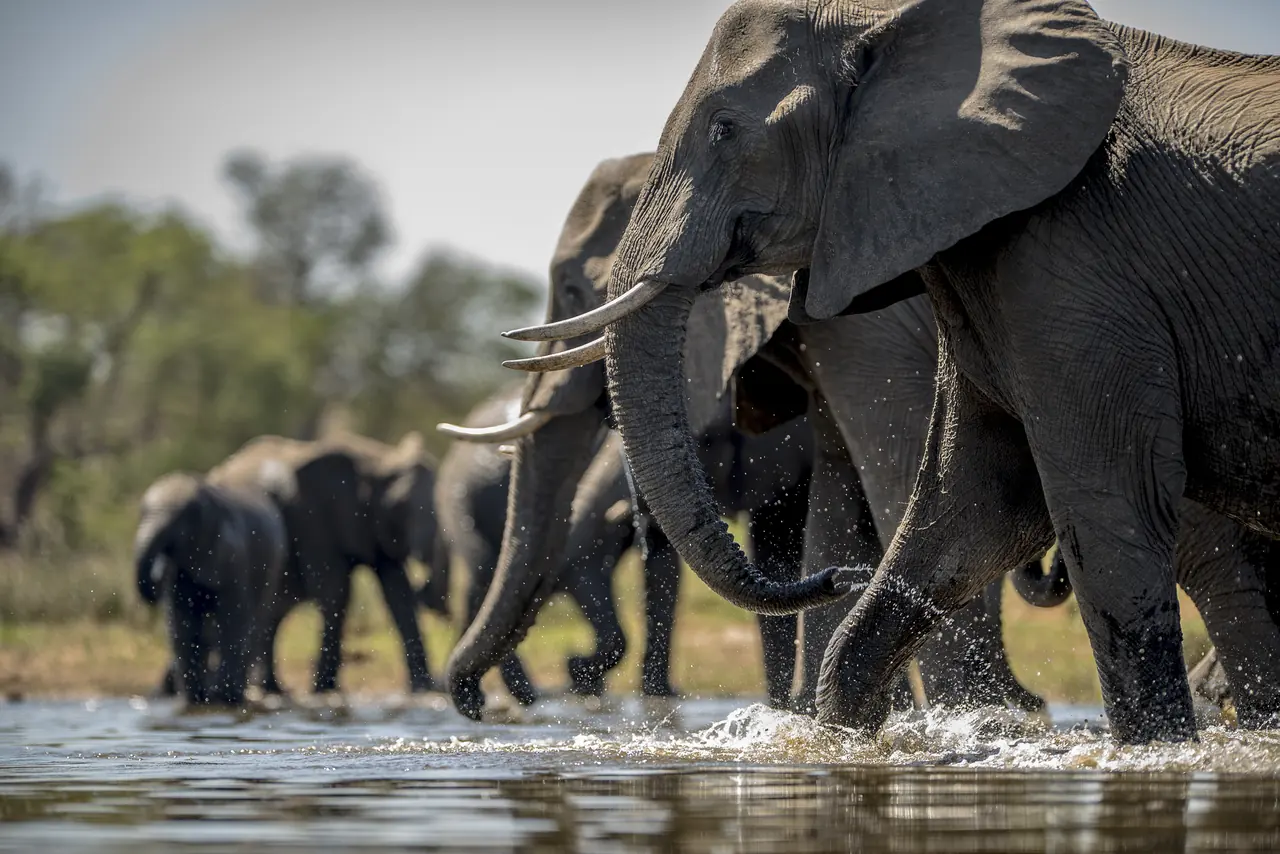
A herd of African elephants wading into shallow water to drink, the lead elephant close in the foreground

Nature-inclusive by design, starting in Namibia.

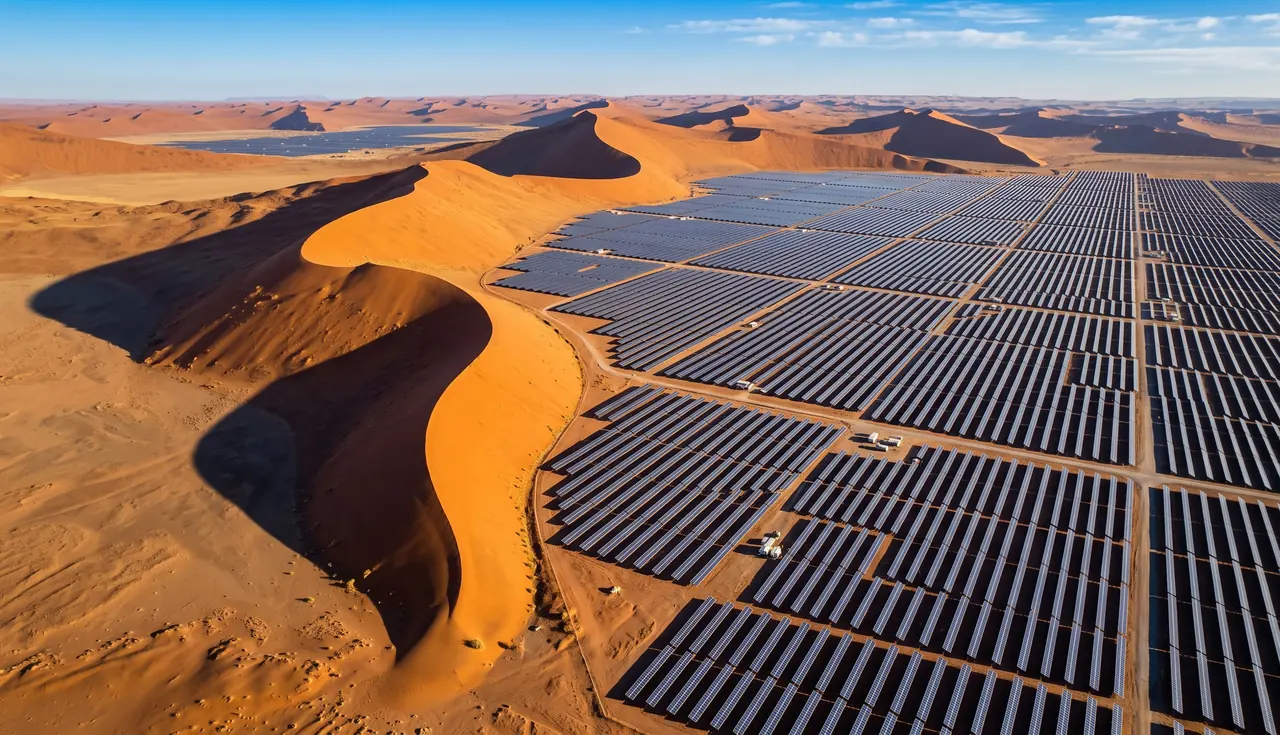
Our planned 100 MWp solar project in Namibia, with electricity intended for Zambia, is shaped by nature-inclusive design and connected to Your.Earth. Water security in Namibia’s Zambezi Region is an identified programme concept.

Planned solar capacity
100 MWp
Stage
In development

Start a local conversation

Start a local conversation