Build capacity that leaves capability behind.

New generation can support a wider development agenda when the procurement, energy system and regional priorities are considered together.

Begin with the public purpose.

A utility needs an energy profile and a clear delivery point. A government also considers infrastructure, local capability and long-term regional value. Those needs should inform the project from the beginning.

We work towards a project brief that fits the applicable procurement framework and defines the technical, commercial and development requirements.
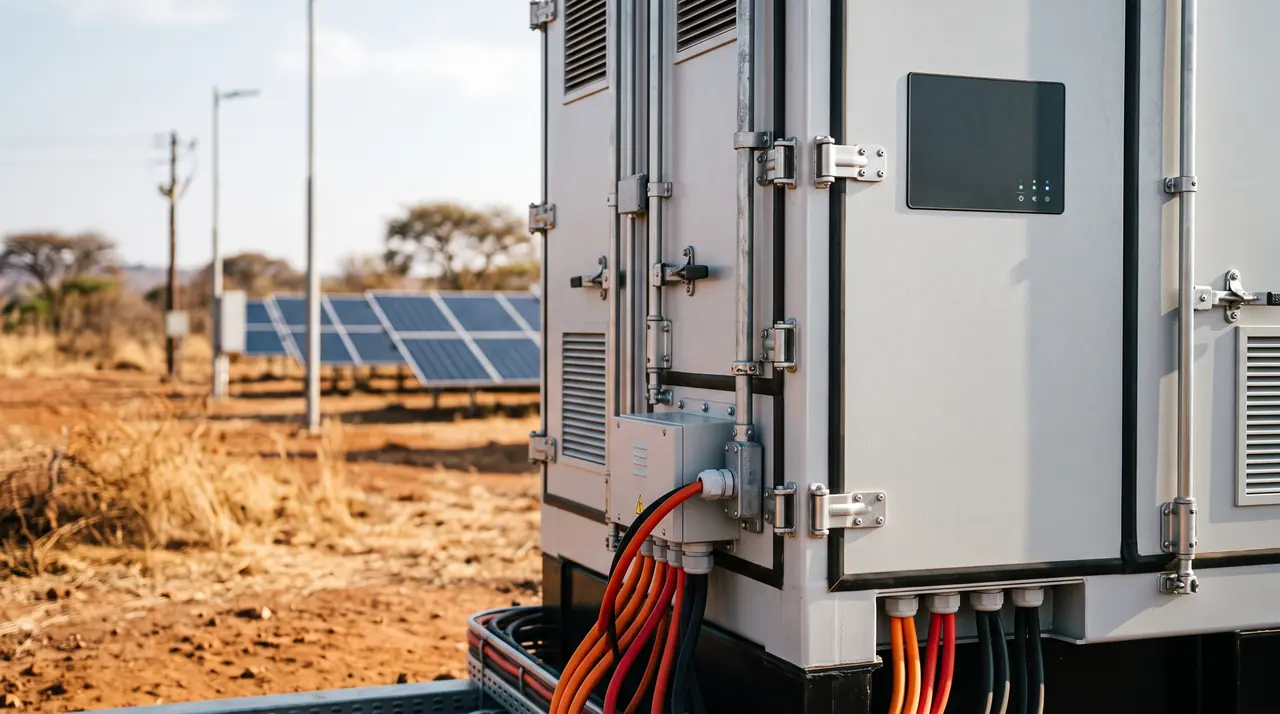
Close-up of a grey battery storage cabinet with orange and red power cables, solar panels in the dry bush behind

Bring the critical workstreams together.

  1. Energy & infrastructure

    Clarify demand, grid access, transmission constraints and the achievable supply profile.

  2. Commercial structure

    Develop procurement, offtake, payment and financing arrangements within the relevant legal framework.

  3. Regional participation

    Plan stakeholder engagement, local procurement and skills development around realistic project opportunities.

  4. Accountability

    Agree reporting responsibilities, evidence and a process for addressing concerns.

Planned in one country, intended for another.

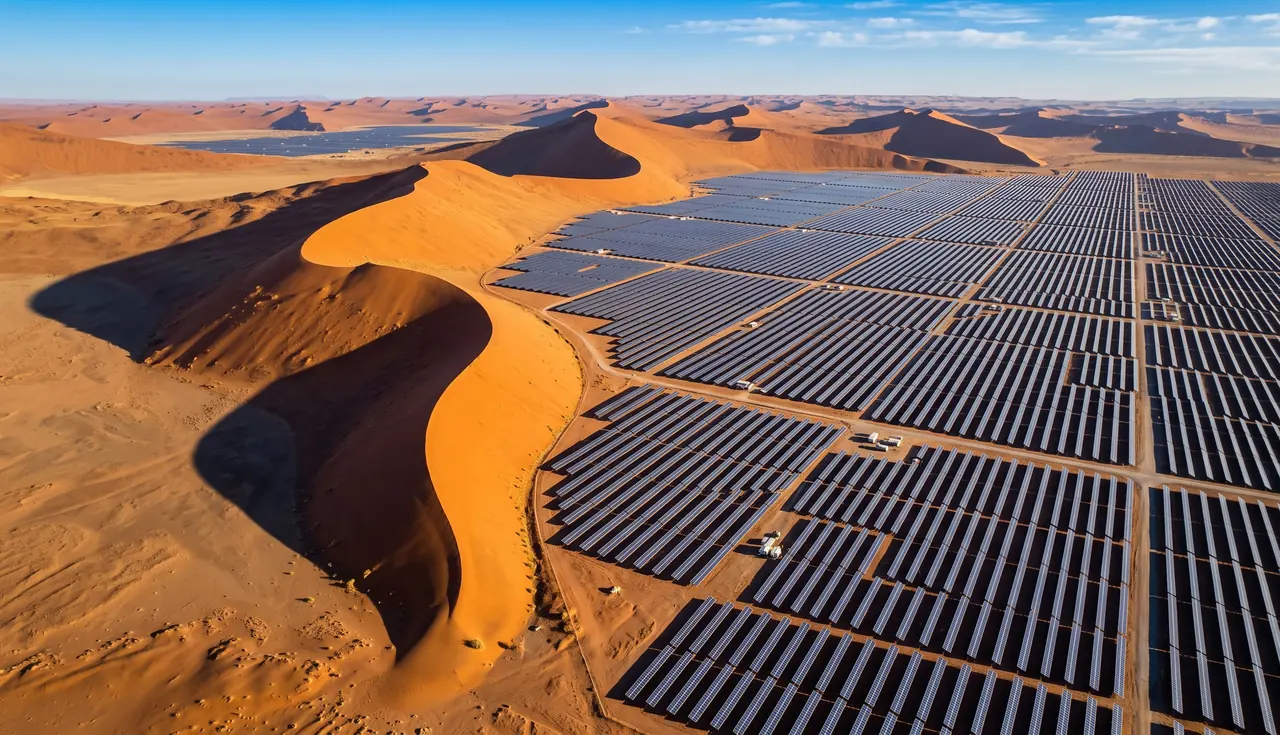
Our planned 100 MWp solar project in Namibia is intended to supply electricity across the border to Zambia. The transmission route, offtaker and contracts are not yet confirmed; the storage and supply profile is to be defined through project design.

Planned solar capacity
100 MWp
Stage
In development

Start a public-⁠sector conversation

Start a public-sector conversation