Your working day does not follow the sun.

The right energy agreement starts with when you need power, where you need it and the risks you need to manage. We develop the generation and commercial structure around that brief.

Start at the point of demand.

A mine, a municipal utility and a food processor may all buy electricity. Their operating hours, payment structures and exposure to interruption are very different. A useful proposal begins by understanding those differences.

We assess your load profile, location, contract horizon and grid access before bringing solar generation, storage and offtake terms together. The result is a project structure for negotiation, with its assumptions and conditions made explicit.
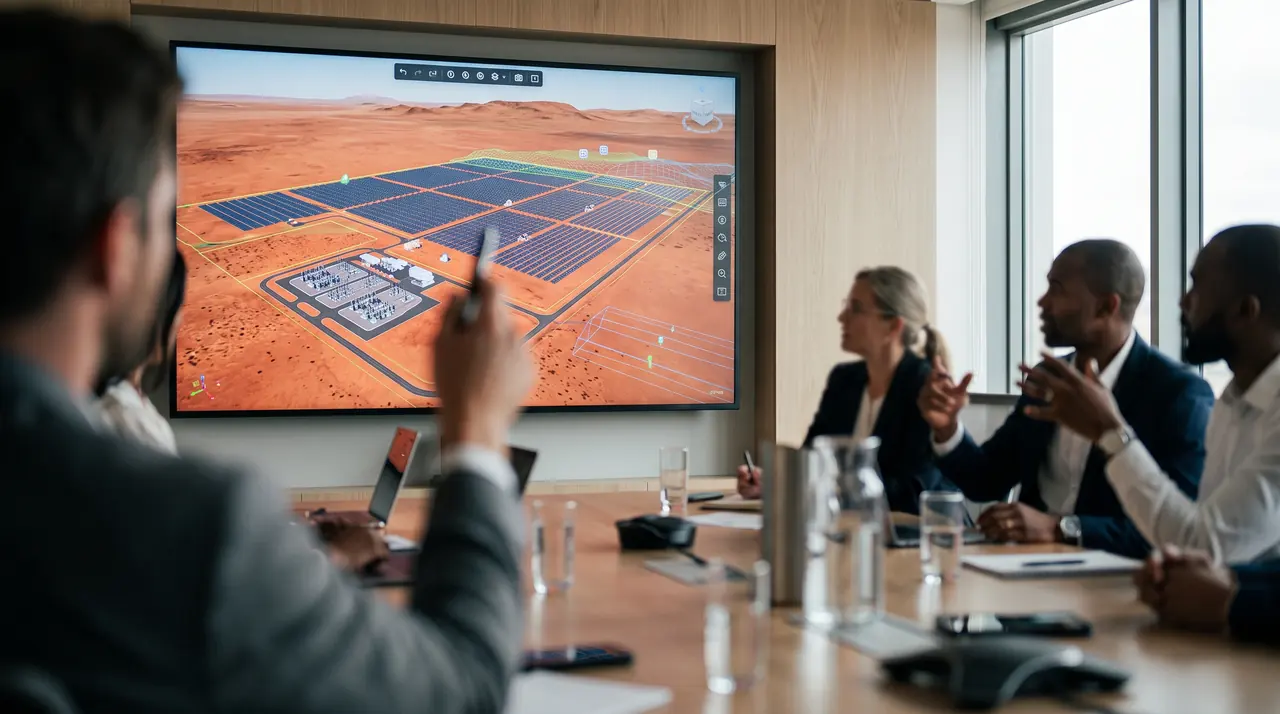
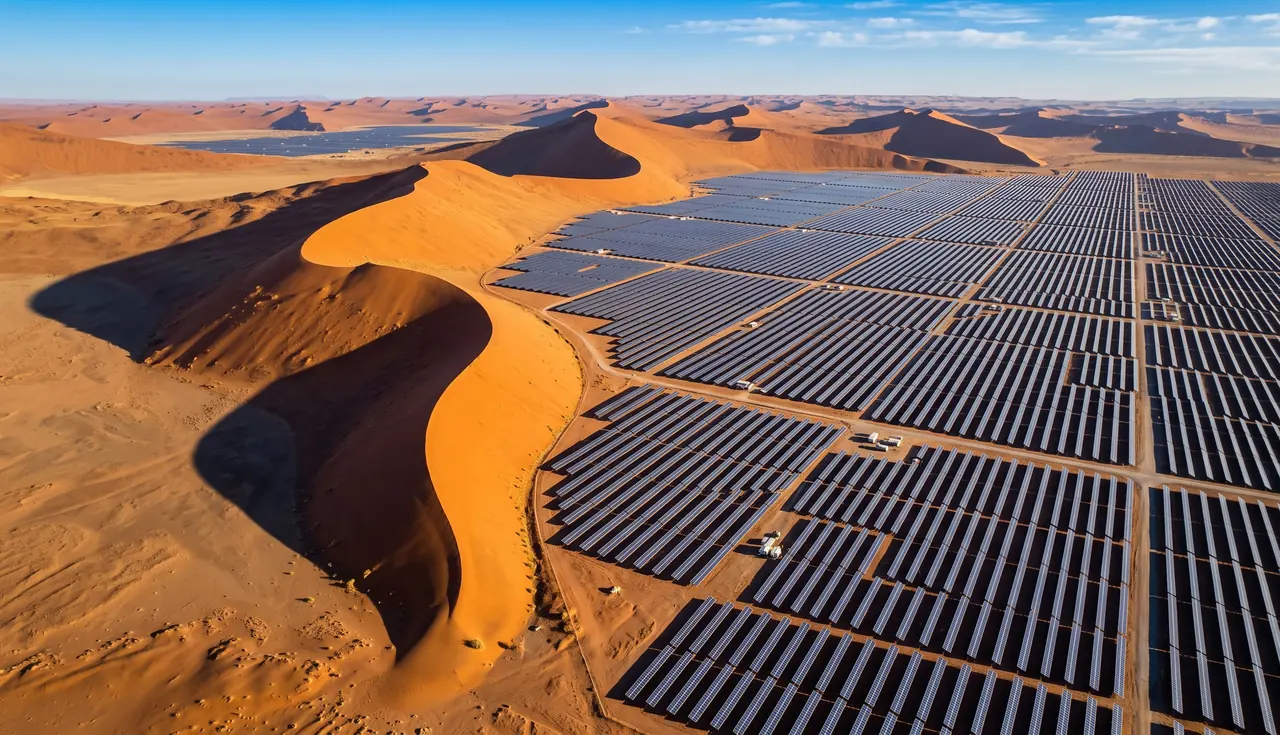
Team in a boardroom reviewing a 3D layout of a desert solar farm and battery site on a large wall screen

Different ways to bring power to you.

  1. Power purchase agreements

    Long-term agreements for solar or solar-plus-storage output, with the delivery point, energy profile and commercial terms defined for the buyer.

  2. Shaped and firm supply

    Storage-backed profiles designed around priority hours. Continuous supply requires a demonstrated energy balance, sufficient storage or complementary supply, and agreed performance terms.

  3. Cross-border supply

    Generation and consumption in different countries, subject to the necessary transmission access, licences and trading arrangements.

  4. Build–transfer & co-development

    Develop a project towards agreed milestones, then structure a transfer, joint ownership or long-term operating role.

  5. Storage & grid services

    Assess batteries for shifting generation, managing peaks and supporting grid services where the market permits.

  6. Local energy models

    Connect a shared solar project with rooftops, household batteries, municipalities and energy cooperatives.

A regional ambition, made concrete.

Our planned 100 MWp project in Namibia gives this approach a clear focus: generate solar electricity in Namibia for intended supply to Zambia. Storage sizing, delivery arrangements and the final contracted profile belong to the project’s development work.

Cross-border supply, taking shape in Namibia.

In Namibia, 100 MWp of solar capacity is planned, with electricity intended for supply across the border to Zambia. The offtaker, transmission route and contracts are not yet confirmed; the supply profile is defined through project design.

Planned solar capacity
100 MWp
Stage
In development

Discuss your power requirements

Discuss your power requirements